
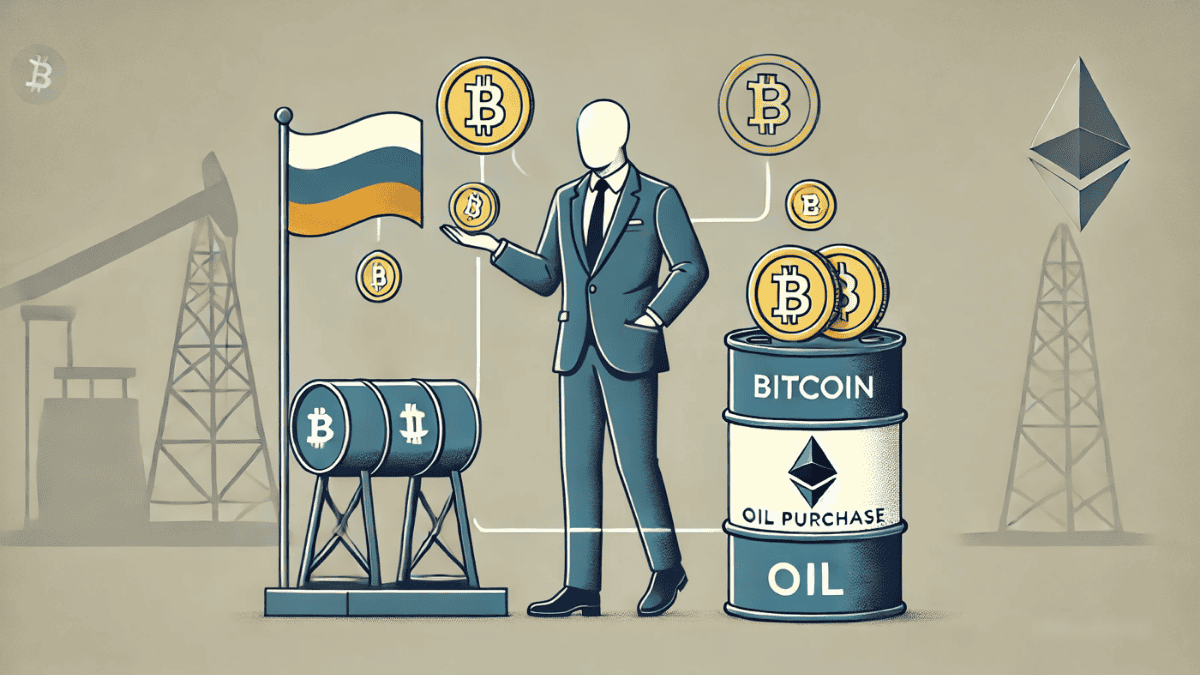
Russia Goes Full Crypto for Oil Trade
Russia Turns to Crypto for Oil Trade Amid Sanctions
Russia is now increasingly relying on cryptocurrency to navigate around global sanctions and continue its vital oil trade, representing a profound shift in how major commodities may be exchanged in today’s fractured financial landscape. According to Reuters, Russian officials and private energy companies are exploring and finalizing deals that would enable oil transactions to be settled directly in cryptocurrencies, including Bitcoin and popular stablecoins such as Tether (USDT).
These moves reflect a broader strategy by Russia to establish alternative financial systems that operate outside of traditional global banking networks, particularly the SWIFT system, which has been heavily sanctioned and restricted. By utilizing crypto, Russia aims to ensure it can maintain and grow its international oil trade partnerships with nations like China, India, and others in Asia and the Middle East that are willing to transact outside of U.S.-controlled financial rails.
Why It Matters for Crypto
Regardless of your personal stance on this issue, there’s no denying that Russia’s adoption of crypto for oil trade is extremely bullish for the broader cryptocurrency ecosystem and adoption on a global scale. Here’s why:
-
Increased demand for liquidity: Massive, high-value transactions like oil trades require deep liquidity. This shift will significantly increase the demand for large-cap cryptocurrencies such as Bitcoin, stablecoins, and possibly other DeFi assets that can handle cross-border payments efficiently.
-
A powerful signal for global trade integration: If one of the world’s largest energy exporters is moving to crypto for oil settlement, it sends a clear message that cryptocurrency is moving beyond speculative assets and becoming embedded into the infrastructure of international trade and finance.
A senior Russian energy official was quoted as saying, “The aim is to create a parallel financial system that operates independently of SWIFT and traditional banks — and cryptocurrency is at the core of that vision.”
The Bigger Question: Who Benefits?
Although Russia’s pivot to crypto may offer it a way to avoid the tightening grip of Western sanctions, it raises critical and far-reaching questions:
- Geopolitical advantage: Is Russia positioning itself as a leader in decentralized finance adoption out of necessity?
- Regulatory implications: How will Western governments respond to state-level crypto adoption designed to circumvent sanctions?
- Market impact: Could this drive institutional demand for stablecoins and Bitcoin to new highs?
Our Take
This is one of the most significant real-world crypto adoption stories we’ve seen. Regardless of the political context, the fact that a major world economy is actively using cryptocurrency for critical commodity trades validates the utility and resilience of decentralized financial systems.
For crypto markets, this is fundamentally bullish. For geopolitics, it’s complicated. And for regulators, it’s a wake-up call.